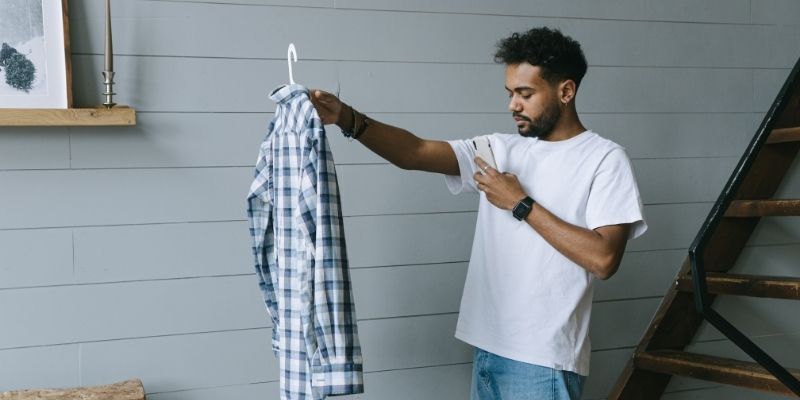
How to Build a 12-Piece Capsule Wardrobe That Lasts Over 10 Years
Most wardrobes grow without a plan. You pick up pieces for a trip, a sale, or a specific event, and over time, the closet fills up. The problem shows up later, when you realize you only wear a small part of it.
A capsule wardrobe works differently. Instead of adding more, you narrow things down to pieces you actually use and that hold up over time. The idea is not to own as little as possible. It is to stop replacing the same items every year.
A well-built 12-piece wardrobe doesn't mean you only ever own twelve things. It means those twelve pieces handle most of your daily life. Everything else becomes optional.
Why Most Closets Stop Working After a Few Years
Modern clothing often looks great on the hanger but loses its appeal after just a few washes. T-shirts stretch out, denim thins at the seams, and shoes wear down faster than expected. Research suggests many people wear an item fewer than thirty times before moving on [1].
This creates a cycle of buying and replacing. You find yourself constantly buying the same basic items to replace the ones that failed, which is both expensive and annoying.
Globally, this constant turnover creates a massive amount of trash. Reports show that millions of tons of fabric are thrown into landfills every year [2]. Personally, the real problem is the sheer frustration of having a closet full of clothes that feel cheap or broken.
You end up spending more money over time because you have to keep shopping for the same essentials again and again.
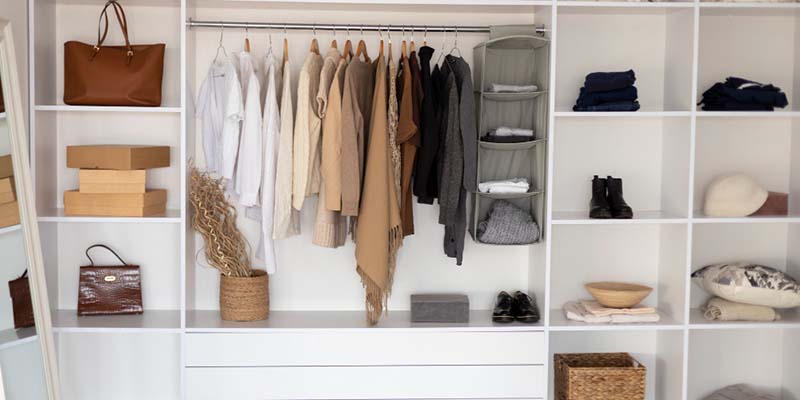
Stop this cycle by changing how you shop. Instead of buying cheap items, look for pieces made with better materials and stronger stitching. A smaller collection of well-made clothes lasts much longer and keeps you from having to shop every month.
What Actually Makes Clothing Last in Real Life
You do not need technical knowledge to spot clothing that will last. Most of it comes down to simple checks.
Fabric You Can Trust
Some fabrics keep their shape and surface over time. Others look worn very quickly.
- Thick cotton softens but stays intact
- Wool holds structure and does not need frequent washing [3]
- Linen wrinkles but rarely wears out
- Hemp handles friction well and lasts for years
A simple test in-store helps. Hold the fabric up to the light. If it looks too thin for what it is, it probably won't last.
Where Synthetics Work and Where They Don't
Not all synthetics are bad. They help with stretch, weather resistance, and durability in certain cases.
But cheap synthetics often:
- pill after a few washes
- lose shape
- feel worse over time
If you are buying synthetics, go for thicker fabrics and avoid anything that feels overly light or plastic-like.
Quick Quality Checks Anyone Can Do
- Look at seams; if stitching is uneven or loose, skip it
- Pull lightly on the fabric. If it stretches out and doesn't bounce back, it won't hold its shape
- Check zippers and buttons; weak hardware fails first
If something feels fragile in your hands, it usually is.
The 12-Piece Capsule Wardrobe
Most people look for a fixed list, but what works depends on your routine and climate. A heavy coat makes no sense in heat, and light fabrics won’t hold up in cold weather. Use the list below as a base, then adjust it to how you actually live.
Here is a practical base:
| Category |
Piece |
Why It Works |
| Outerwear |
Wool coat or insulated jacket |
Long-term winter use |
| Outerwear |
Light jacket |
Spring and fall layering |
| Outerwear |
Raincoat |
Daily practicality |
| Tops |
White or neutral shirt |
Works across settings |
| Tops |
2 T-shirts |
Everyday wear |
| Tops |
Knit sweater |
Warm, durable layer |
| Bottoms |
Dark jeans |
Long-lasting and versatile [4] |
| Bottoms |
Trousers or chinos |
More structured option |
| One-piece |
Dress or equivalent outfit |
Flexible styling |
| Footwear |
Leather boots |
Repairable and durable |
| Footwear |
Everyday shoes |
Comfort for daily use |
| Bag |
Durable bag |
Used constantly |
This covers most situations, but the details: fabric, weight, and fit should shift with your environment.
If You Live in a Cold Climate
When the temperature drops, you must prioritize staying warm.
- Swap a light spring jacket for a heavy, insulated coat that blocks the wind.
- Add thermal layers or thick wool undershirts to wear beneath your current clothes.
If You Live in a Warm Climate
In hot weather, the goal is to keep air moving and stay cool.
- Replace a heavy wool coat with lightweight outerwear like a thin cotton shell.
- Choose linen or light cotton shirts instead of heavy knits or thick sweaters.
Work and Daily Life
Your daily job also dictates what you should own.
- If your work is formal, include an extra well-tailored piece like a blazer or dress shoes.
- If your life is more casual, focus on tough, everyday wear that handles frequent use.
The basic structure stays the same, but the weight and fabrics change to fit your specific needs right now.
How to Choose Each Piece (Real-Life Approach)
This is where most mistakes happen. It is not about asking abstract questions; it is about checking real details.
How to Judge Fabric Thickness
Instead of guessing:
- hold the fabric and bunch it slightly, the thin fabric collapses easily
- check weight, heavier fabric usually lasts longer
- rub it between fingers, rough or uneven texture can mean weaker fibers
For jeans, anything under 10 oz weight feels light and tends to wear out faster. Around 12 to 14 oz is a safer middle ground.
Getting the Right Fit Without Overthinking
Fit is what decides if you will actually wear something.
- Jackets should sit clean on shoulders, not droop
- Pants should allow movement when sitting and walking
- Shirts should not pull at buttons
If it feels off in the fitting room, it won't improve later.
How to Check Shoes for Durability
Shoes are one of the easiest places to waste money.
Look for:
- solid soles, not overly soft foam
- stitching instead of just glue, where possible
- firm structure around the heel
Leather boots that can be repaired often last years longer than cheaper alternatives.
The Cost Side (What People Get Wrong)
The biggest mistake is focusing only on price at checkout. Here is a simple comparison over ten years:
A $40 pair of jeans worn 10-15 times before losing shape costs about $3-$4 per wear.
A $120 pair worn 120-150 times over a few years drops to under $1 per wear.
The same pattern shows up across categories. Studies suggest that everyday items can realistically reach 100-200 wears if they're well-made and regularly used, while cheaper pieces often fall out of rotation much earlier due to fabric failure or poor construction.
Over 10 years, this gap compounds:
Replacing a $70 item every 1-2 years can easily total $350-$700
A $250 item worn consistently and occasionally repaired often stays below $2 per wear and avoids repeat purchases
The mistake isn't buying cheaper items; it's ignoring lifespan and usage. Price tells you what you pay once. Wear tells you what it actually costs.
How to Make Clothes Last Without Overcomplicating It
Clothes don't wear out as quickly as people assume. Most of the damage comes from how they're washed, dried, and handled over time. A few simple habits are usually enough to keep things in good shape.
Daily Habits That Work
Wash only when truly needed: If a shirt does not smell or have a visible stain, it probably does not need to go in the laundry hamper yet.
Use cold water: High temperatures break down fabric threads and cause colors to fade much faster than a cool cycle.
Air dry your items: Avoid the high heat of a dryer, which can shrink fabric and make it brittle over time.
Rotate what you wear: Giving your clothes a rest between uses allows the fibers to snap back into their original shape.
Fix Small Problems Early
Handling a tiny issue right away is the best way to avoid a total loss. These small repairs are very easy to manage with just a needle and thread.
- A loose button takes just a few minutes to sew back into place.
- A small tear can be stitched up quickly before the hole spreads.
- Thin areas can be reinforced to prevent a hole from forming.
Waiting too long often turns a simple fix into a ruined garment. Taking care of your clothes today ensures they stay in your closet and out of the trash.
Building a Wardrobe That Holds Up Over Time
You do not need to build everything at once. Start with what you already own. Keep the pieces that still work well. Replace the weak ones slowly with better versions.
Over time, your wardrobe becomes easier to manage. You stop guessing what to wear. You stop replacing basics every year. The result is not just fewer clothes. It is a set of pieces that keep working without constant attention.
That is what makes a capsule wardrobe useful in everyday life.
References
[1] Nature Reviews Earth & Environment
https://www.nature.com/articles/s43017-020-0039-9
[2] Global Fashion Agenda
https://globalfashionagenda.org/publications-and-policy/pulse-of-the-fashion-industry/
[3] International Wool Textile Organisation
https://iwto.org/sustainability/
[4] Levi Strauss & Co. Sustainability Report
https://www.levistrauss.com/sustainability-report/
Related Posts
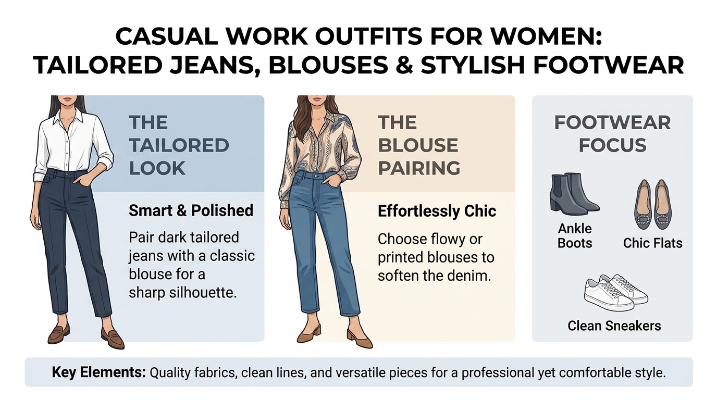
The Evolution of Casual Work Attire for Women and Modern Office Style Trends
Casual Church Outfits A Practical Guide to Dressing Comfortably, Modestly, and Stylishly
Pack Light, Leave a Lighter Footprint: The Best Sustainable Luggage
Why Are Sustainable Handbags More Expensive? Here's What You're Paying For
6 Sustainable Boots That Look Good And Feel Better